Unlock the full article
Read the complete analysis with instant access, or subscribe to receive unlimited access to all Solid Info publications.
Already subscribed? Sign in
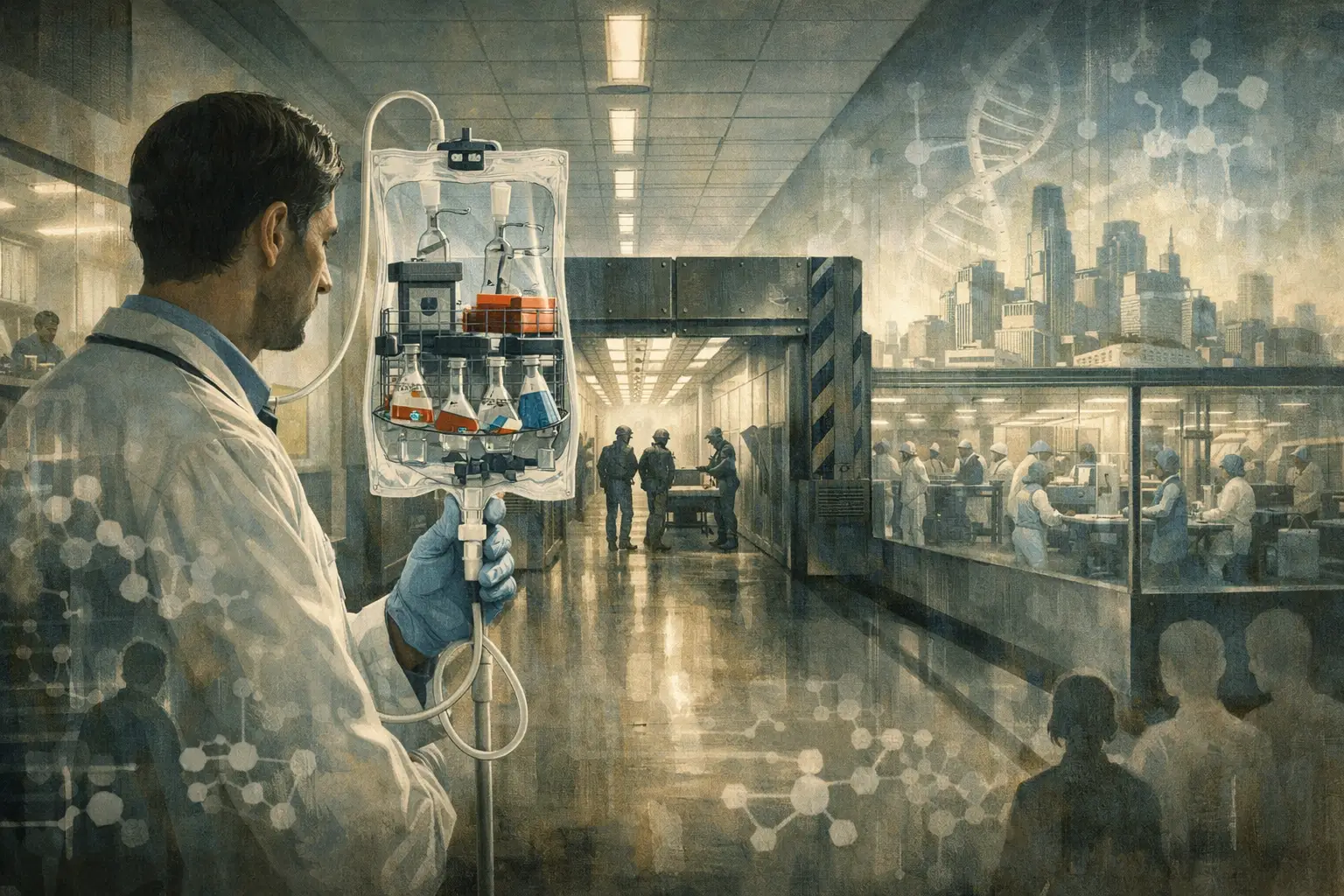
On April 2, 2026, the U.S. President imposed a 100% tariff on patented pharmaceuticals and ingredients from countries without a trade agreement, using the Section 232 mechanism of the Trade Expansion Act, which permits import restrictions for national security.
The decision targets a systemic risk built over two decades, as pharmaceutical supply chains moved to lower-cost, state-supported jurisdictions where production, clinical trials, and regulatory approvals are integrated, creating U.S. dependence on foreign sources for critical medical infrastructure.
U.S. investigations preceding the tariff decision documented this asymmetry through specific mechanisms. Subsidies manifest as direct support to active pharmaceutical ingredient (API) producers, enabling China to control roughly 80% of global API production.
Read the complete analysis with instant access, or subscribe to receive unlimited access to all Solid Info publications.
Already subscribed? Sign in